

Plus-Size Cycling Clothing: Finding a ...
The right bike can transform your ride, but so can the right clothing. If your jersey rides up, your bib shorts chafe, ...
Finding an XXL mountain bike isn’t always as simple as choosing the largest frame on the showroom floor. Many mountain bike brands stop at XL, and even those that offer XXL sizes are merely scaling up the frame and not the other components. For tall riders, that can lead to a cramped riding position, handlebars that are too low relative to the saddle, unstable handling, and a bike that never feels quite right.
A mountain bike should inspire confidence on technical climbs, fast descents, and rough trails. If the frame is too small, you’ll likely spend more time adjusting stems, seatposts, and handlebars than enjoying the ride. Those changes can improve comfort to a point, but they can’t replace a frame that’s designed around taller proportions.
This blog explains what makes an XXL mountain bike different, the features that matter most for big and tall riders, and how to choose the right bike for your riding style.
Most production mountain bikes fit riders that are in the middle of the bell curve. While this approach works for most people, exceptionally tall cyclists often find that even the largest stock frames don’t provide the fit they’re looking for.
|
Common problems tall riders face with standard mountain bikes include:
|
Many riders try to solve these issues by installing a longer stem, raising the seatpost, or changing the handlebars. While these adjustments can help fine-tune the fit, they can’t correct frame geometry that was never designed for taller proportions.
A properly engineered custom XXL mountain bike addresses these challenges from the beginning, creating a riding position that’s more balanced and comfortable on every type of trail.
An XXL mountain bike is more than an oversized version of a standard mountain bike. It’s engineered to maintain proper proportions for taller riders while preserving the handling characteristics that make a mountain bike enjoyable to ride.
Some of the features that commonly distinguish an XXL mountain bike include:
When these elements work together, the bike feels proportioned to the rider rather than simply being the largest option available. That’s the difference between riding an oversized frame and riding an XXL mountain bike that’s designed specifically for big and tall cyclists.
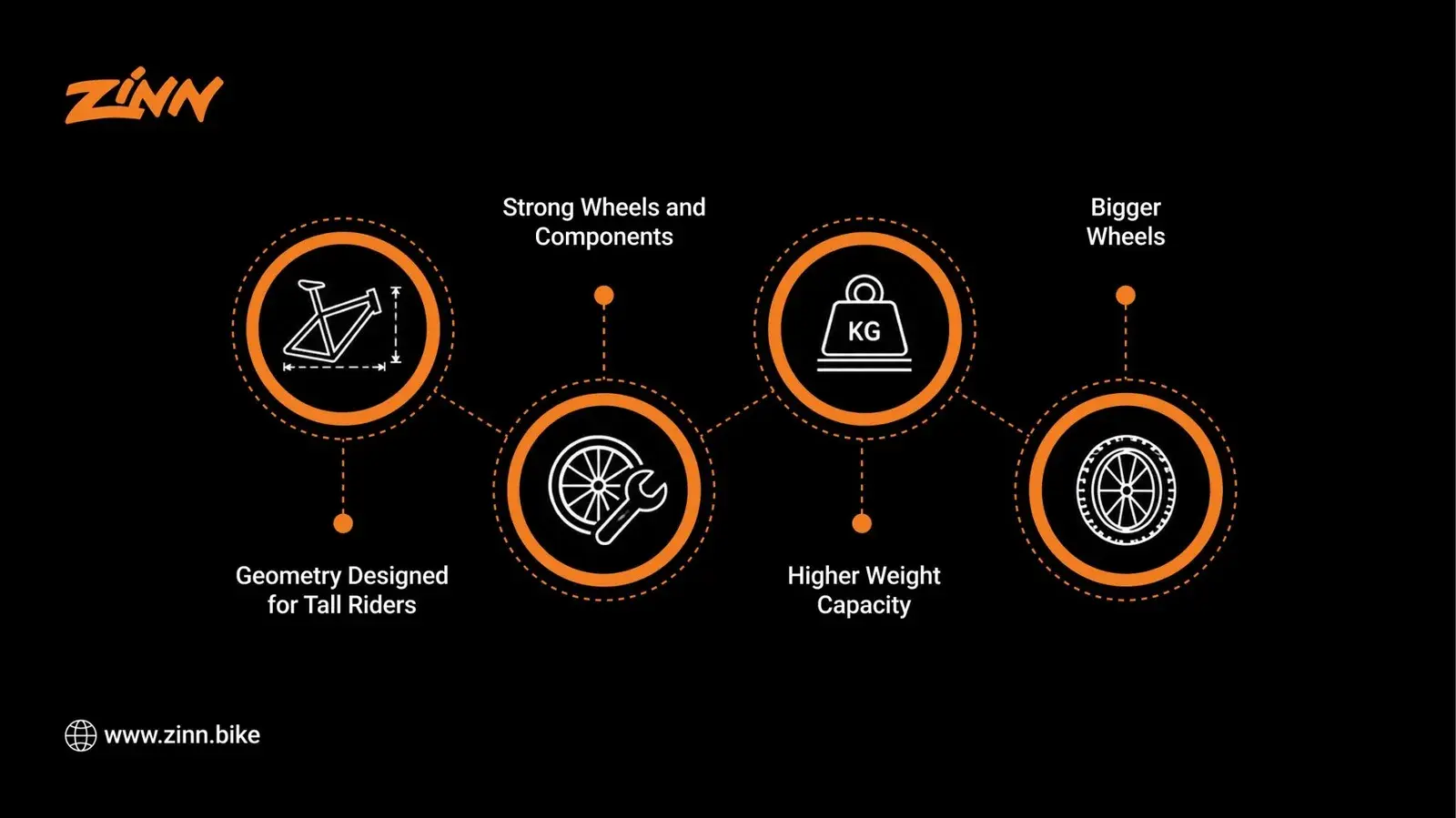
Not every XXL mountain bike is manufactured the same. Beyond frame size, the right combination of geometry, components, and wheel size can make a significant difference in comfort, handling, and durability.
A well-designed XXL frame should provide a longer Rider Area Distance (RAD), which is the hypotenuse between stack and reach. Proper stack and reach and extended wheelbase creates a spacious riding position without relying on oversized stems or excessive seatpost extension. Longer chainstays also improve weight distribution and traction, helping the bike remain stable on climbs, descents, and technical trails.
Larger riders place greater demands on their bikes, making component quality essential. Look for durable wheelsets, hydraulic disc brakes, robust suspension forks, and dependable drivetrains that can withstand rough terrain and higher loads. Wider handlebars can also improve stability and steering control on challenging trails.
Consider the bike’s system weight, which includes the rider, bike, riding gear, tools, water, and any additional cargo. A higher system weight rating indicates the frame and components are engineered to perform safely and reliably under greater loads.
Most tall riders are well served by 29-inch wheels, which offer excellent rollover and stability. Riders who are exceptionally tall may benefit from 32er mountain bikes, as the larger wheels create more proportional geometry, smoother obstacle rollover, and a balanced riding position that better suits their height.
The best XXL mountain bike depends on more than your height. The trails you ride, your riding style, and the type of terrain you enjoy all influence which bike will deliver the best experience.
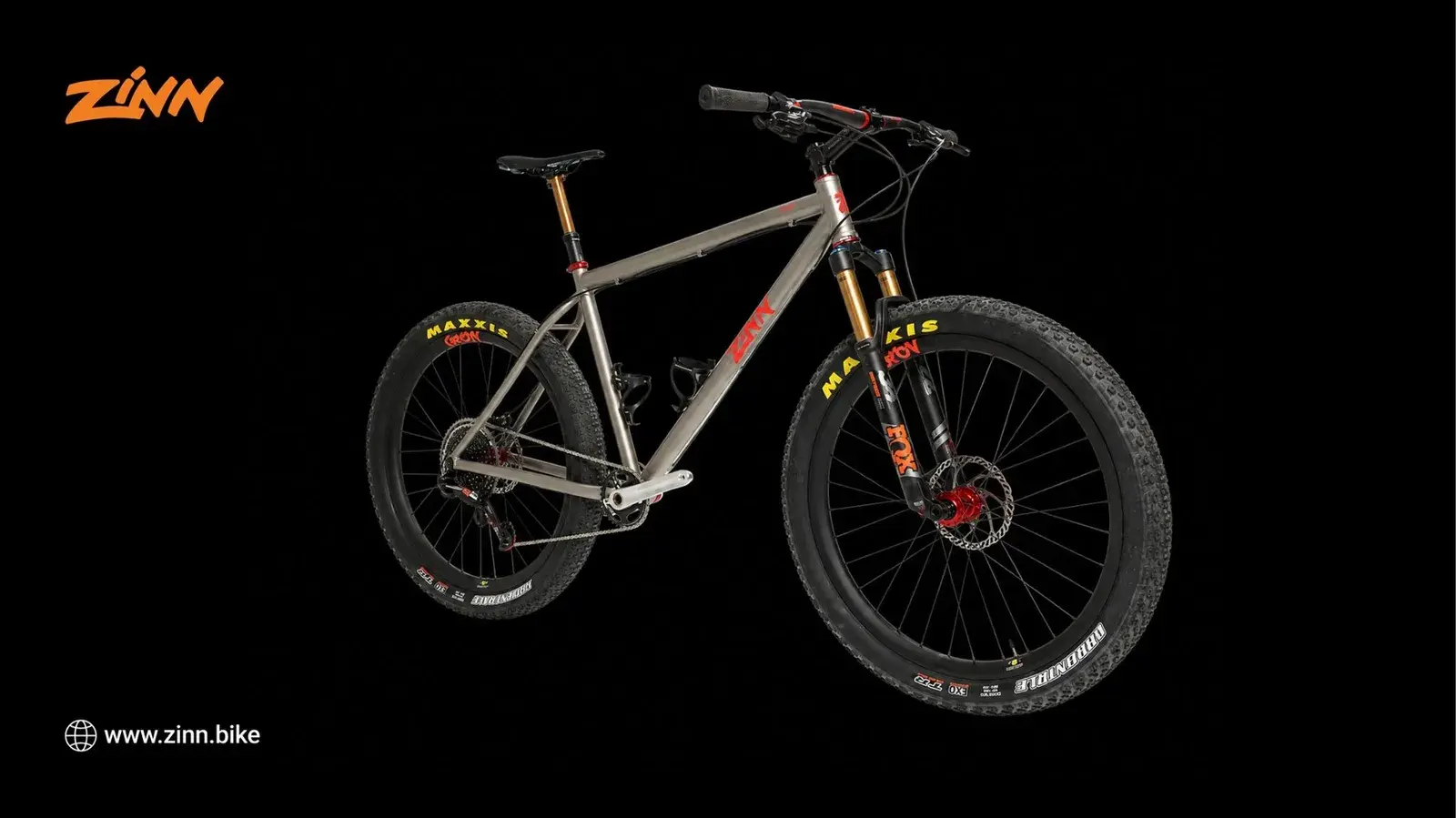
Hardtail mountain bikes feature a suspension fork at the front and a rigid rear frame. Their simpler design makes them lighter, easier to maintain, and highly efficient when climbing.
A hardtail is a great option if you:
For many tall riders, an XXL mountain bike with a hardtail design offers responsive handling while maintaining excellent pedaling efficiency.
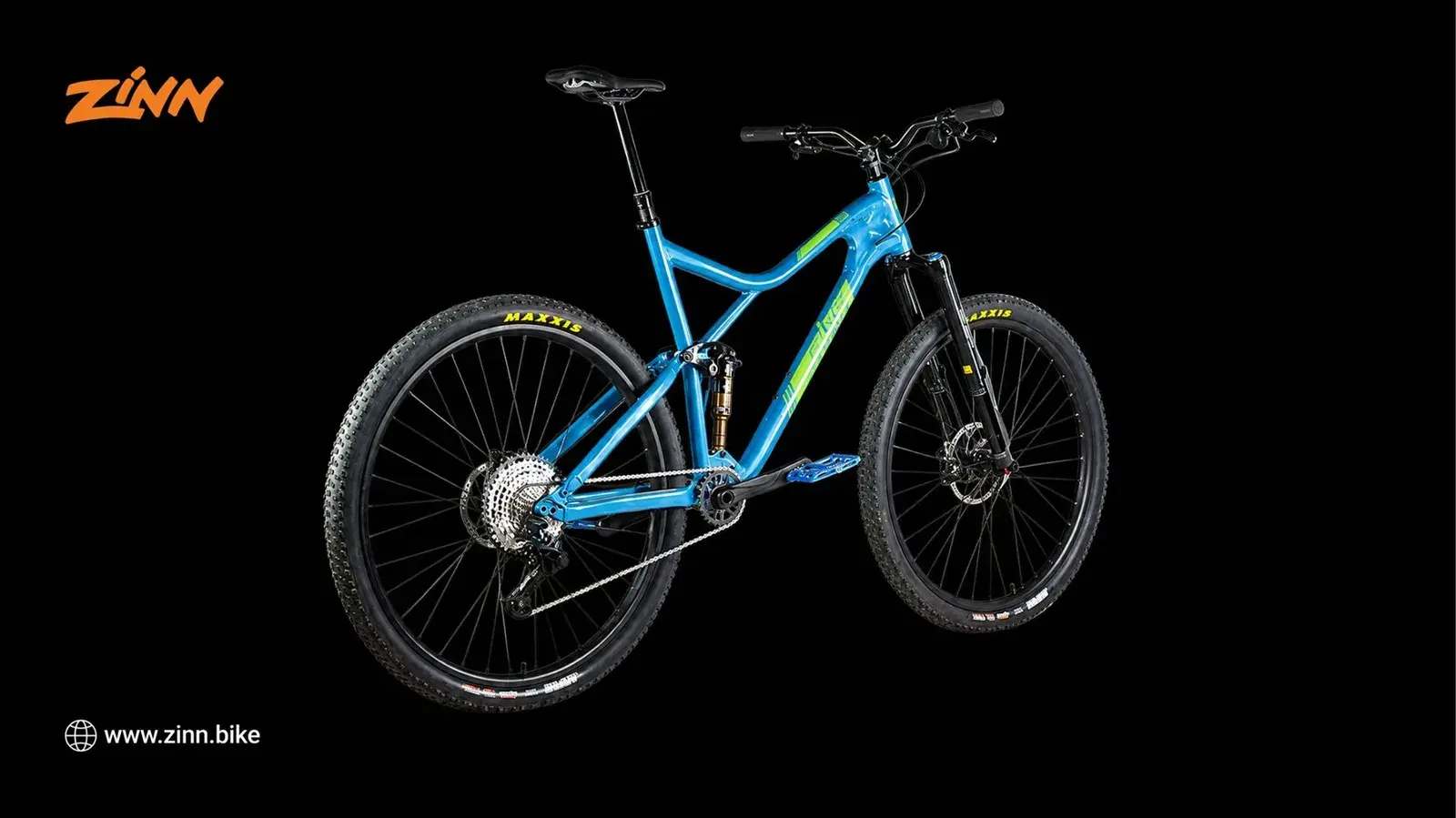
Full suspension bikes use both front and rear suspension to absorb impacts from rough terrain. This added suspension improves comfort, traction, and control, especially on technical trails.
A full suspension XXL mountain bike is ideal for riders who:
Although full suspension bikes are generally heavier and require more maintenance than hardtails, many riders appreciate the smoother ride and added confidence they provide on demanding trails.
Fat bikes are manufactured with oversized tires, typically measuring between 3.8 and 5 inches wide. These tires provide exceptional traction and flotation on surfaces where standard mountain bikes may struggle.
A fat bike may be the right choice if you regularly ride on:
The wider tires also add stability and comfort by absorbing small bumps and vibrations. For bigger riders looking for confidence on challenging surfaces, a fat bike can be an excellent alternative to a traditional XXL mountain bike.
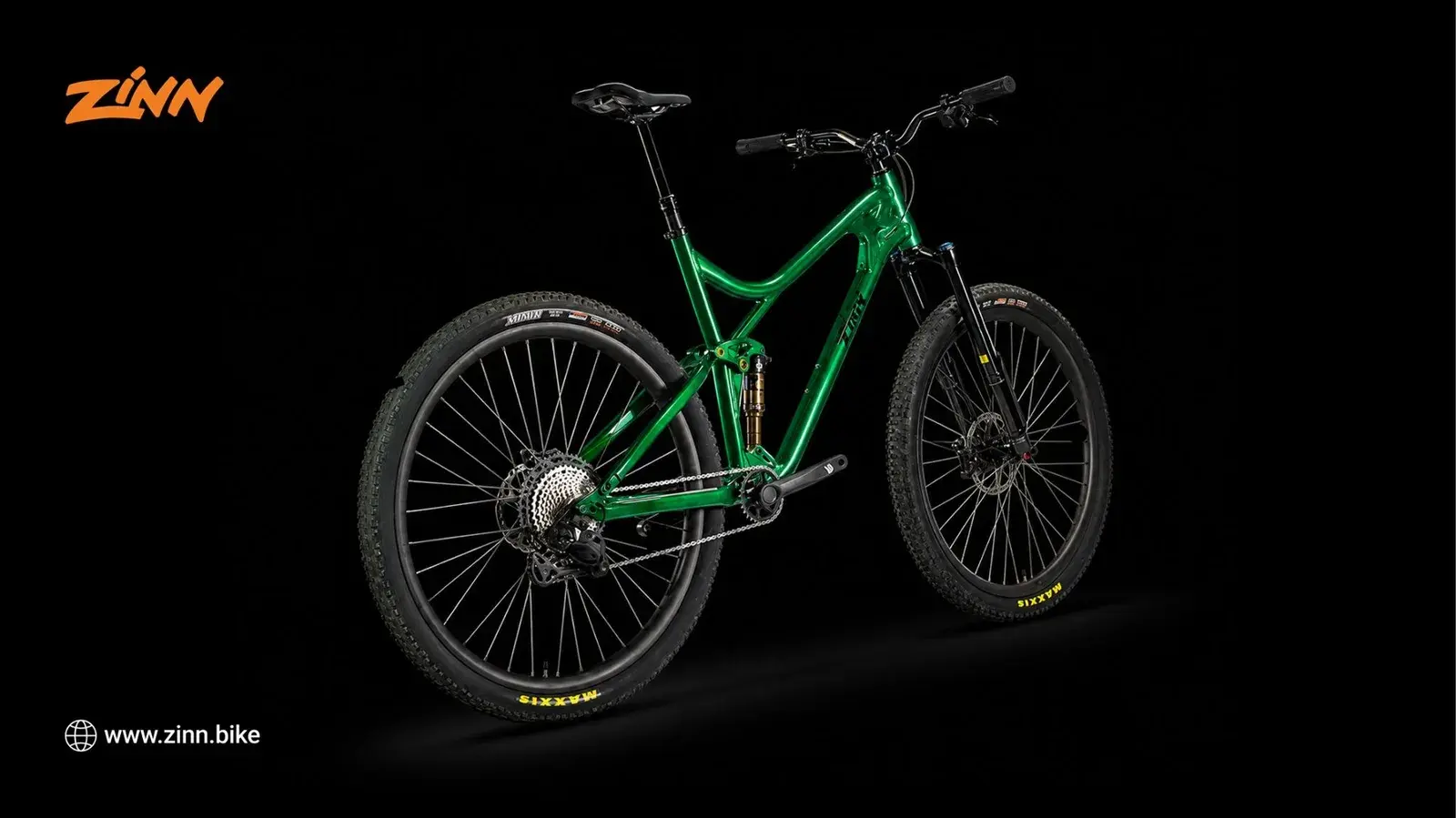
For exceptionally tall riders, 32er mountain bikes offer a unique solution that goes beyond frame size alone.
Compared with traditional wheel sizes, a 32er mountain bike can provide:
For riders who have struggled to find an XXL mountain bike that truly fits, a purpose-built 32er can deliver a noticeable improvement in comfort, handling, and confidence on the trail.

Choosing an XXL mountain bike is about more than finding the biggest frame available. The right bike should match your height, body proportions, riding style, and the terrain you ride most often. Features like proper geometry, strong components, appropriate wheel size, and a balanced riding position all work together to create a more comfortable and capable mountain bike.
At Zinn Cycles, every mountain bike is manufactured with proportional fit in mind. Whether you’re looking for a purpose-built 32er mountain bike, a custom titanium build, or a bike tailored to your measurements, Zinn offers solutions that go beyond standard sizing. Rather than adapting your body to an average-sized bike, you can ride a mountain bike that’s built around you.
Explore Zinn’s Clydesdale Mountain Bikes to find an XXL mountain bike that delivers the comfort, confidence, and performance you need for every trail.
An XXL mountain bike is generally designed for riders around 6’4" (193 cm) and taller. However, the ideal size depends on your inseam, arm length, and the bike’s geometry, not just your height.
Not necessarily. If an XL frame fits your body proportions and riding style, it may be the right choice. An XXL mountain bike is better suited for riders who need additional reach, stack, wheelbase, and overall frame proportions for a comfortable fit.
It depends on where you ride. Hardtail bikes are ideal for cross-country trails, climbing, and riders who prefer a lighter, lower-maintenance bike. Full suspension bikes provide greater comfort, traction, and control on rough, technical terrain.
For exceptionally tall cyclists, 32er mountain bikes can provide a more balanced riding position, improved stability, and smoother rollover than traditional wheel sizes. They’re particularly beneficial for riders who feel cramped on conventional mountain bikes.
Yes. A custom mountain bike is built around your body measurements and riding goals, allowing the frame geometry, wheel size, crank length, and components to work together. This can improve comfort, handling, and confidence compared with a standard production bike.

The right bike can transform your ride, but so can the right clothing. If your jersey rides up, your bib shorts chafe, ...
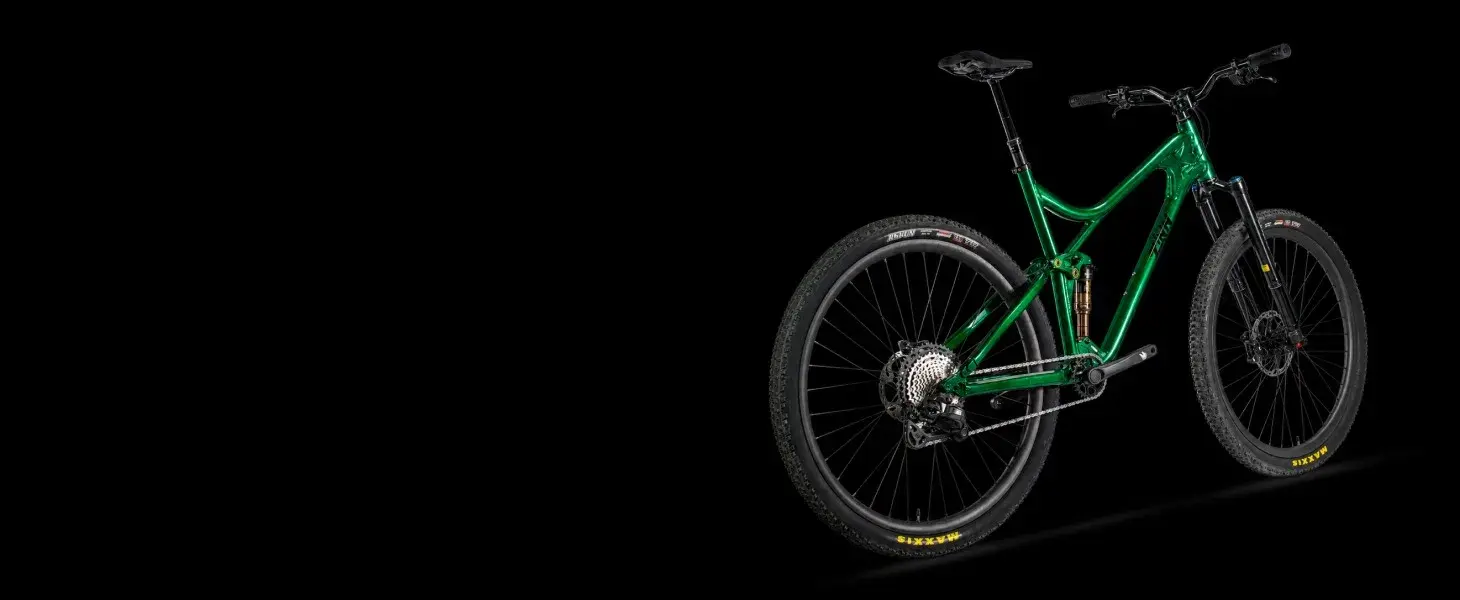
Finding an XXL mountain bike isn’t always as simple as choosing the largest frame on the showroom floor. Many mountain ...
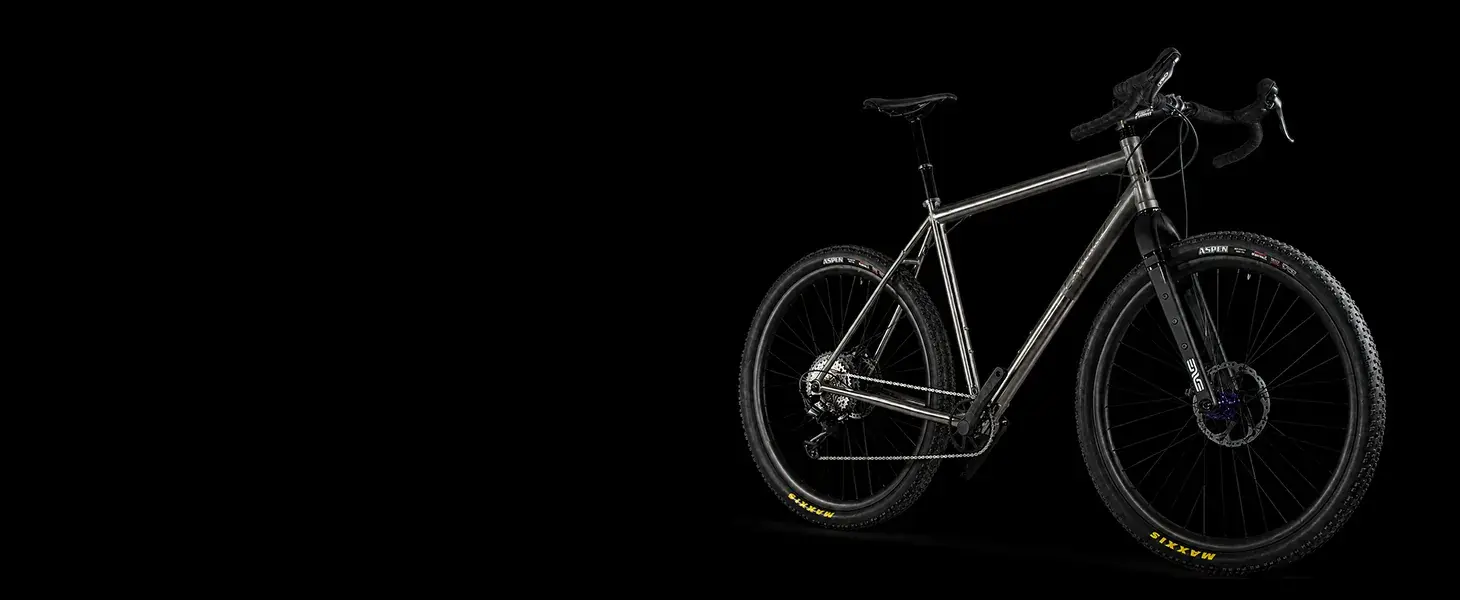
If you’ve ever felt like every bike you ride is slightly too small, you’re not imagining it. Most modern bicycles are ...