

Plus-Size Cycling Clothing: Finding a ...
The right bike can transform your ride, but so can the right clothing. If your jersey rides up, your bib shorts chafe, ...
If you’ve ever felt like every bike you ride is slightly too small, you’re not imagining it. Most modern bicycles are engineered around average-sized riders and typically use 27.5-inch, 29-inch, or 700c wheels. For exceptionally tall cyclists, those wheel sizes can sometimes make a bike look or feel out of proportion, even when riding the largest available frame.
That’s where a 32-inch bike or a 36-inch bike can make a real difference. Rather than simply increasing wheel size, these bikes are manufactured with proportional frame geometry that better matches taller riders. The result is a more balanced riding position, improved handling, and a bike that feels like it was built for your height instead of asking you to adapt.
This article takes you through what 32-inch bikes and 36-inch bikes are, how they compare with conventional wheel sizes, who they’re designed for, and some of the best options available for tall cyclists.
|
A 32-inch bike, often called a 32er, is a bicycle built around 32-inch wheels instead of the more common 29-inch wheels. Likewise, a 36-inch bike, or 36er, uses even larger 36-inch wheels. |
While the wheel size is the most noticeable difference, these bikes involve much more than simply installing larger wheels on a standard frame. The frame geometry, fork, wheelbase, and component selection are all designed to work together with the larger wheels.
Compared with traditional bikes:
|
Wheel Size |
Common Use |
|
27.5-inch |
Trail riding, smaller frame sizes |
|
29-inch |
Modern mountain bikes, gravel bikes, and hybrids |
|
32-inch |
Tall riders seeking better proportions and stability |
|
36-inch |
Exceptionally tall riders looking for maximum rollover and a balanced fit |
Unlike standard production bikes, 32-inch bikes and 36-inch bikes are purpose-built for riders who benefit from larger wheels and frames designed around those proportions.
As bicycles evolved, manufacturers introduced larger wheels because they roll more smoothly over obstacles and provide better stability. However, most production bikes use 29-inch wheels because they suit most riders.
For exceptionally tall cyclists, even bikes with 29-inch wheels can feel undersized. Long legs, longer arms, and taller body proportions often require more than just a larger frame. Simply extending the frame without changing the wheel size can affect handling and make the bike feel less balanced.
That’s why larger wheel sizes, such as 32-inch bikes and 36-inch bikes, were developed. When combined with proportional frame geometry, they can provide several advantages for taller riders, including:
Instead of making the rider adapt to a bike suited to average-sized cyclists, larger wheels allow the entire bike to be designed around taller body proportions. For riders who have always felt like standard bikes were slightly too small, this approach can create a noticeably more comfortable and balanced ride.
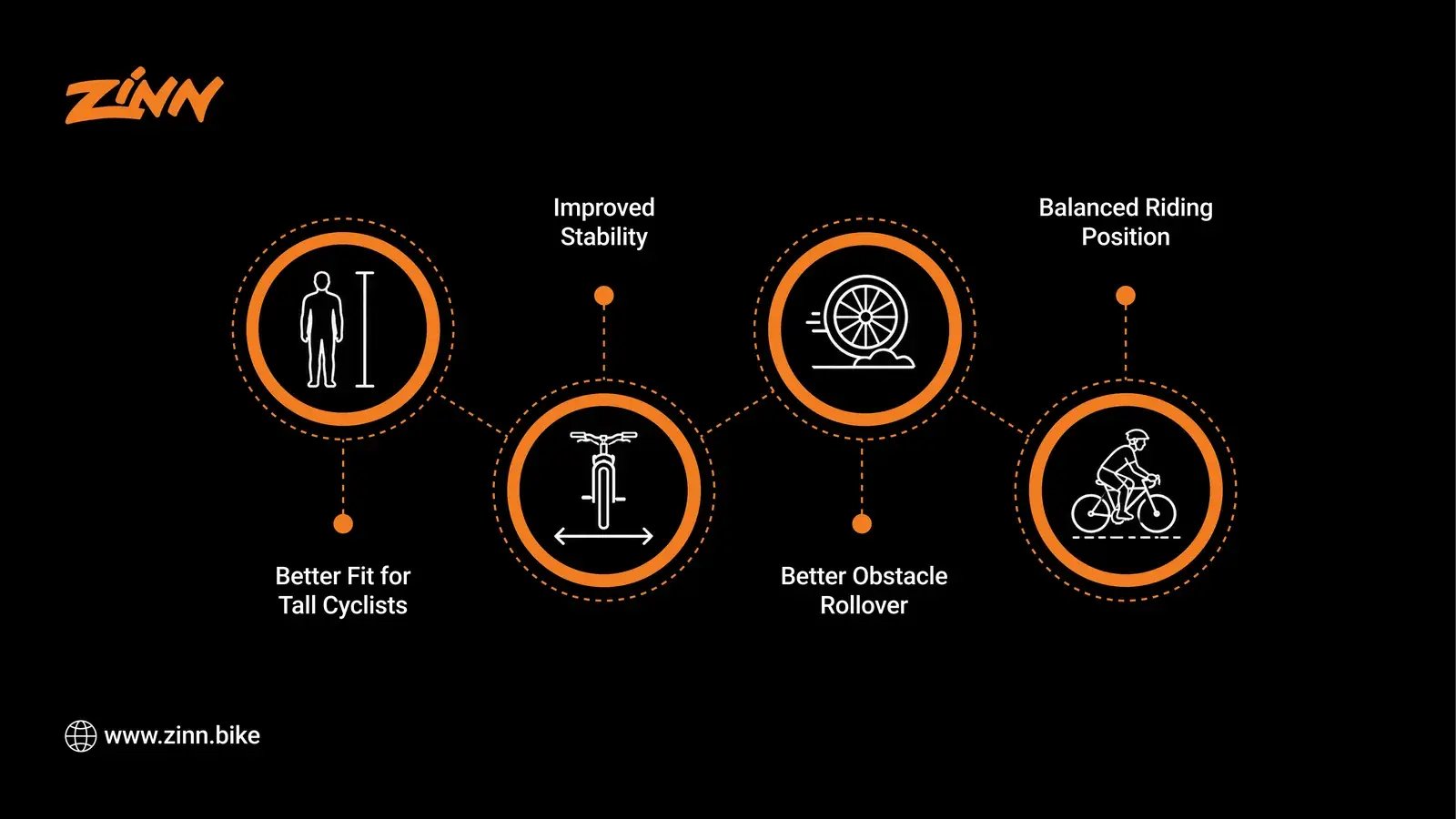
A 32-inch bike or a 36-inch bike isn’t simply a bicycle with larger wheels. When designed with the right frame geometry, these bikes can improve comfort, stability, and handling for riders who are too tall for conventional bike designs.
While larger wheels aren’t necessary for every cyclist, they can solve several fit and performance challenges for exceptionally tall riders.
The biggest advantage of a 32-inch bike or a 36-inch bike is improved fit.
Many tall cyclists ride the largest stock frame available, but still feel cramped. Common complaints include:
Larger wheels allow manufacturers to design bikes with geometry that better matches taller body proportions, rather than simply stretching a standard frame. This creates a riding position that feels more balanced and natural.
Wheel size also affects how a bike handles.
A properly engineered 36-inch bike or 32-inch bike often has a longer wheelbase and more balanced weight distribution, which can improve stability without making the bike feel sluggish. And the high rotational inertia of the larger-diameter wheels adds gyroscopic stability. It feels like nothing can knock you over!
Many tall riders notice benefits such as:
These improvements come from the combination of larger wheels and frame geometry rather than wheel size alone.
One of the best-known advantages of larger wheels is their ability to roll over obstacles more easily.
Compared with smaller wheels, a 32-inch bike or 36-inch bike approaches rocks, roots, potholes, and curbs at a shallower angle. This allows the wheel to maintain momentum while producing a smoother ride.
Benefits include:
These characteristics are especially valuable for mountain biking, gravel riding, and mixed-terrain adventures.
Comfort isn’t just about frame size. It’s also about how every part of the bike works together.
On a purpose-built 32-inch bike, the larger wheels allow designers to create better proportions throughout the bike, including:
Instead of feeling like you’re riding “on top” of a small bike, the bike feels proportioned to your height. For many tall cyclists, this creates a more relaxed riding position and better overall control, particularly during long rides.
Like any bike design, 32-inch bikes and 36-inch bikes involve some trade-offs.
Some considerations include:
For riders who comfortably fit on conventional bikes, these trade-offs may outweigh the advantages.
However, for cyclists who have struggled to find a bike that truly fits, a 32-inch bike or 36-inch bike can provide improvements in comfort, stability, and handling that standard wheel sizes often can't match. The biggest advantage is having a bike designed around your proportions from the start.
Both a 32-inch bike and a 36-inch bike improve fit and performance for taller cyclists, but they serve slightly different purposes. The right choice depends on your height, riding style, and the type of terrain you ride most often.
|
Feature |
32 Inch Bike |
36 Inch Bike |
|
Best suited for |
Tall riders |
Exceptionally tall riders |
|
Common bike types |
Gravel, mountain, hybrid |
Hybrid, fitness, recreational riding |
|
Maneuverability |
More agile |
Slower steering |
|
Stability |
Excellent |
Excellent |
|
Obstacle rollover |
Excellent |
Maximum rollover capability |
|
Riding feel |
Balanced and versatile |
Smooth and highly stable |
Neither option is automatically better. The goal is to choose the wheel size that best suits your height and riding needs.
If you're considering a 32-inch bike or a 36-inch bike, these purpose-built models from Zinn Cycles are designed specifically for taller riders. Each combines larger wheels with frame geometry tailored to riders who often struggle to find a comfortable fit on standard bikes.
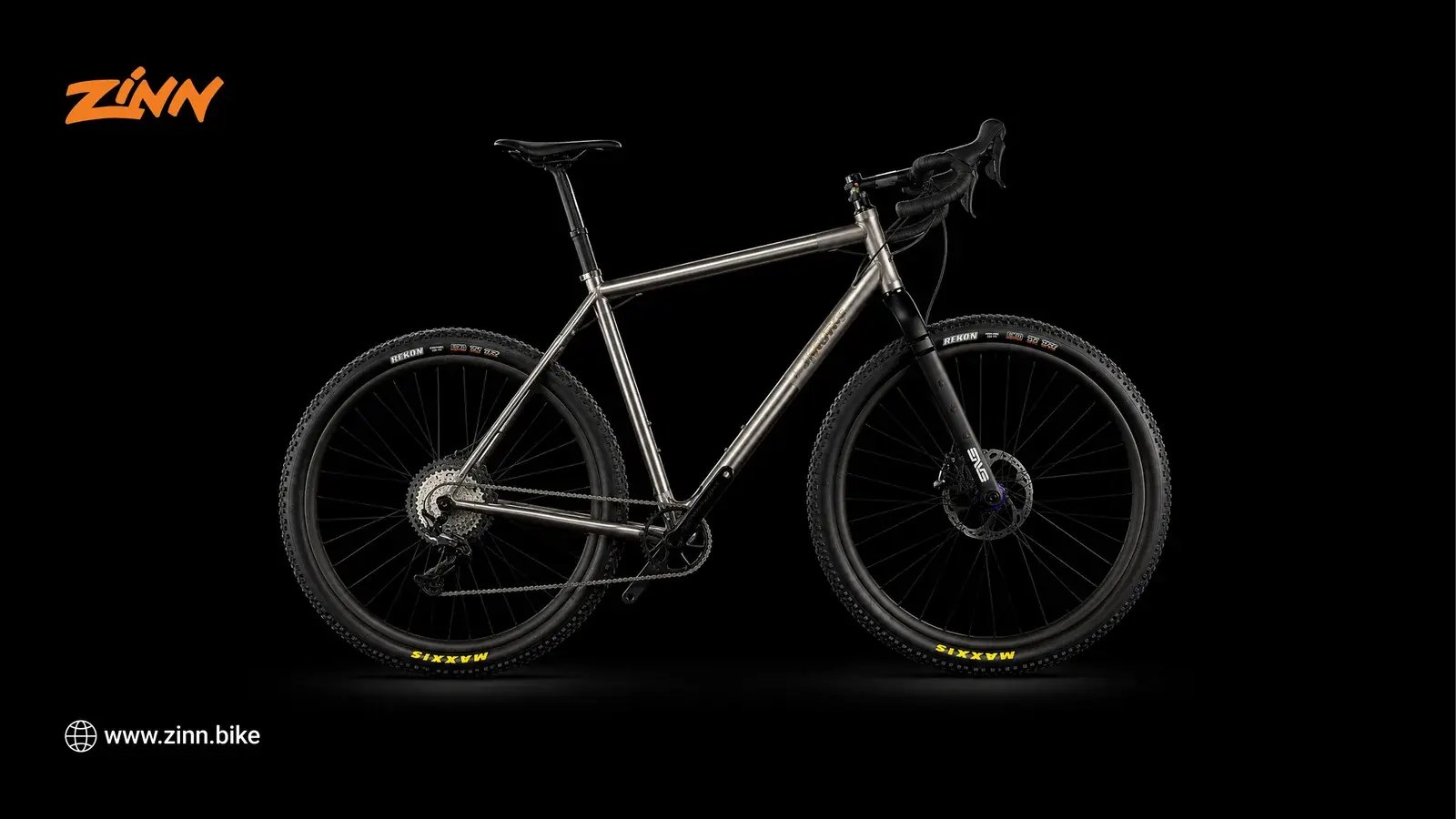
The Clydesdale BFG GR1 is a 32-inch wheel gravel bike built for tall riders who enjoy exploring beyond paved roads. It combines the versatility of a gravel bike with the stability and balanced proportions that larger wheels provide.
It’s a strong choice if you:
The 32-inch wheels help create a more natural riding position while maintaining confident handling across a variety of surfaces.
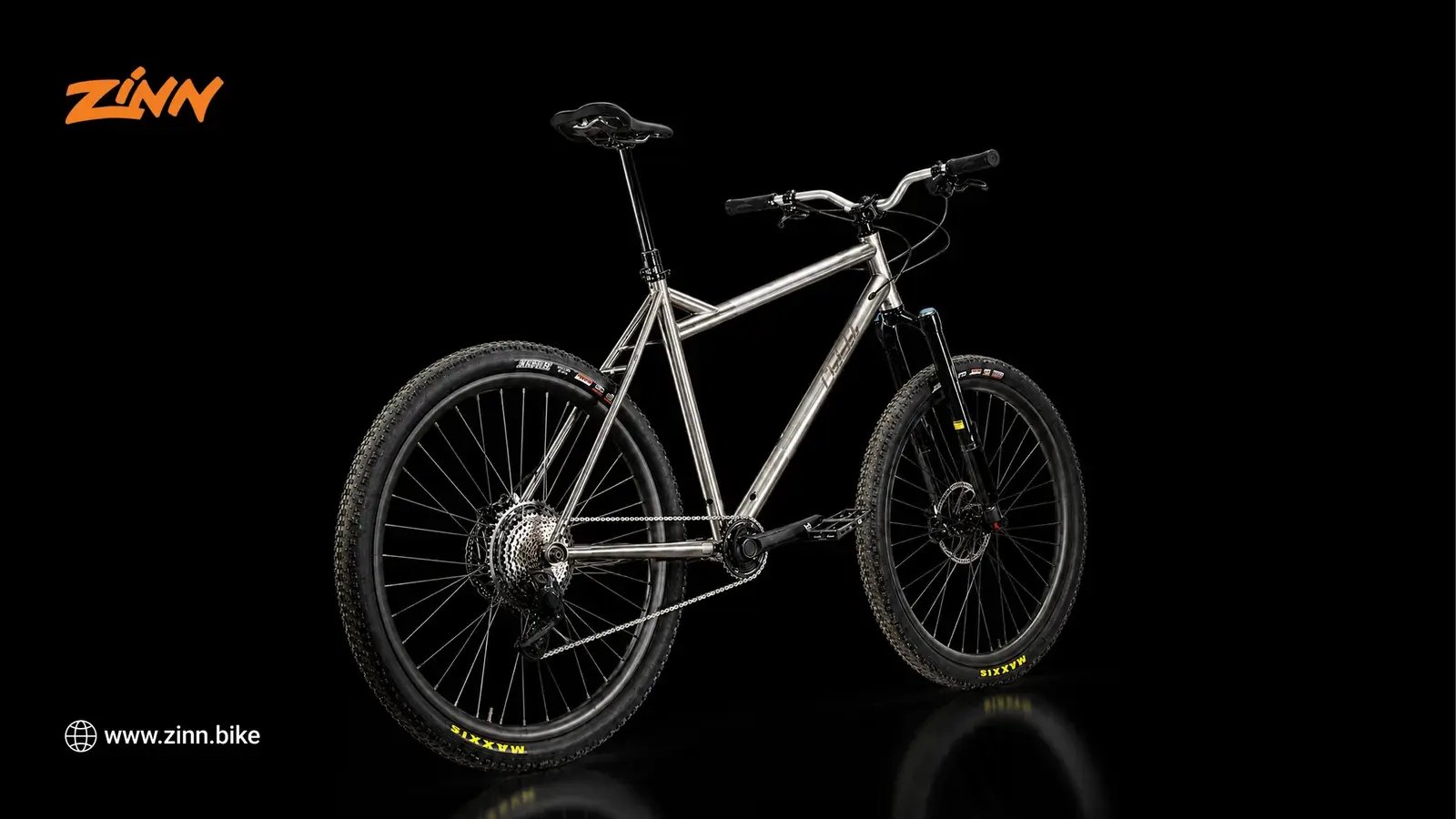
The Clydesdale Bronco M4 XT Di2 is a premium titanium 32-inch mountain bike designed for technical trails and demanding off-road riding.
Highlights include:
For mountain bikers who have always felt cramped on conventional bikes, this model offers geometry designed around larger body proportions rather than simply a larger frame.
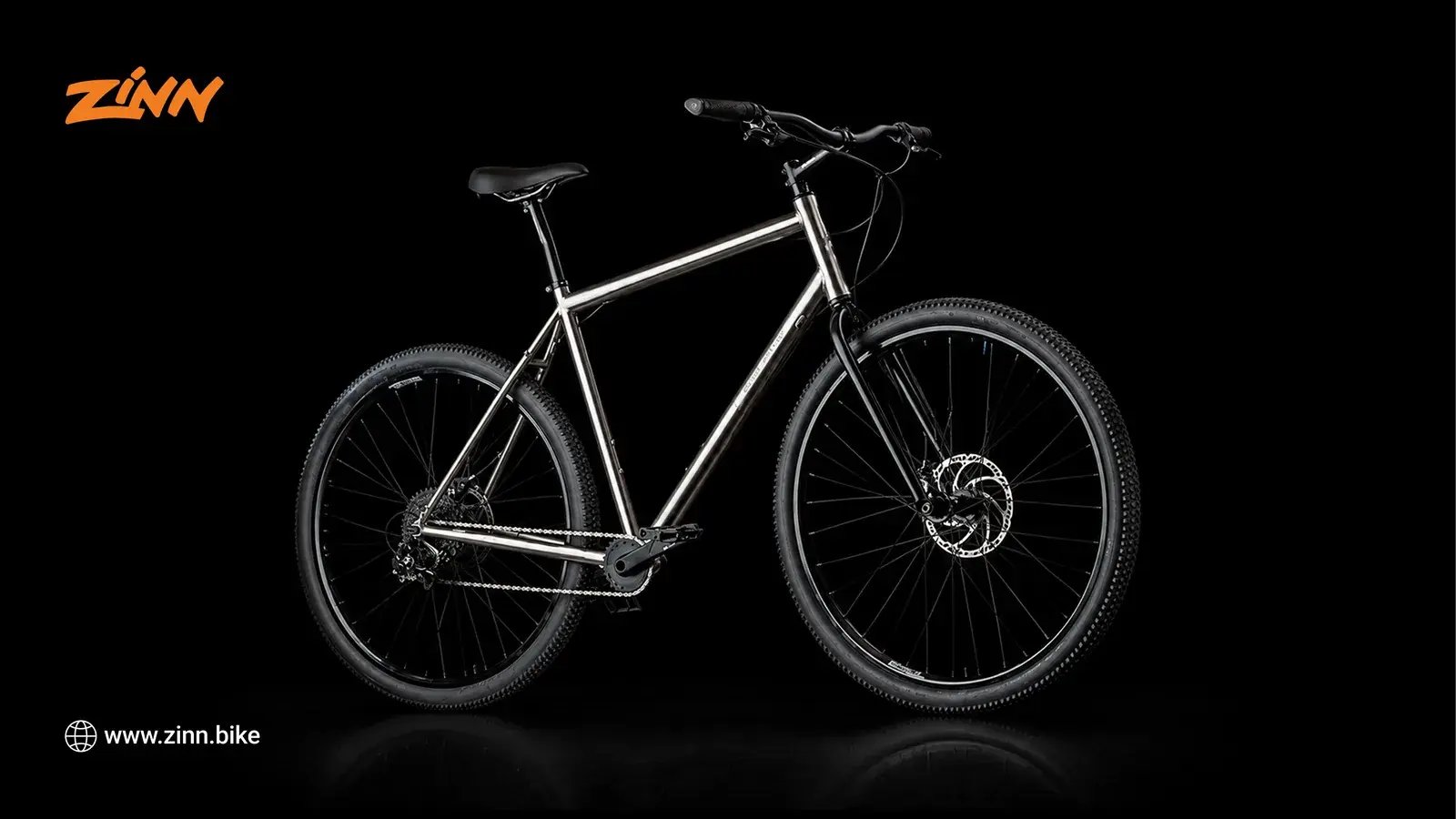
If you're looking for a 36-inch bike that prioritizes comfort and efficiency, the Clydesdale BFG Sport Hybrid 36er is worth considering. (also available as a 32er)
The larger 36-inch wheels deliver:
This model is particularly well-suited to exceptionally tall riders who want a hybrid bike built around their proportions.
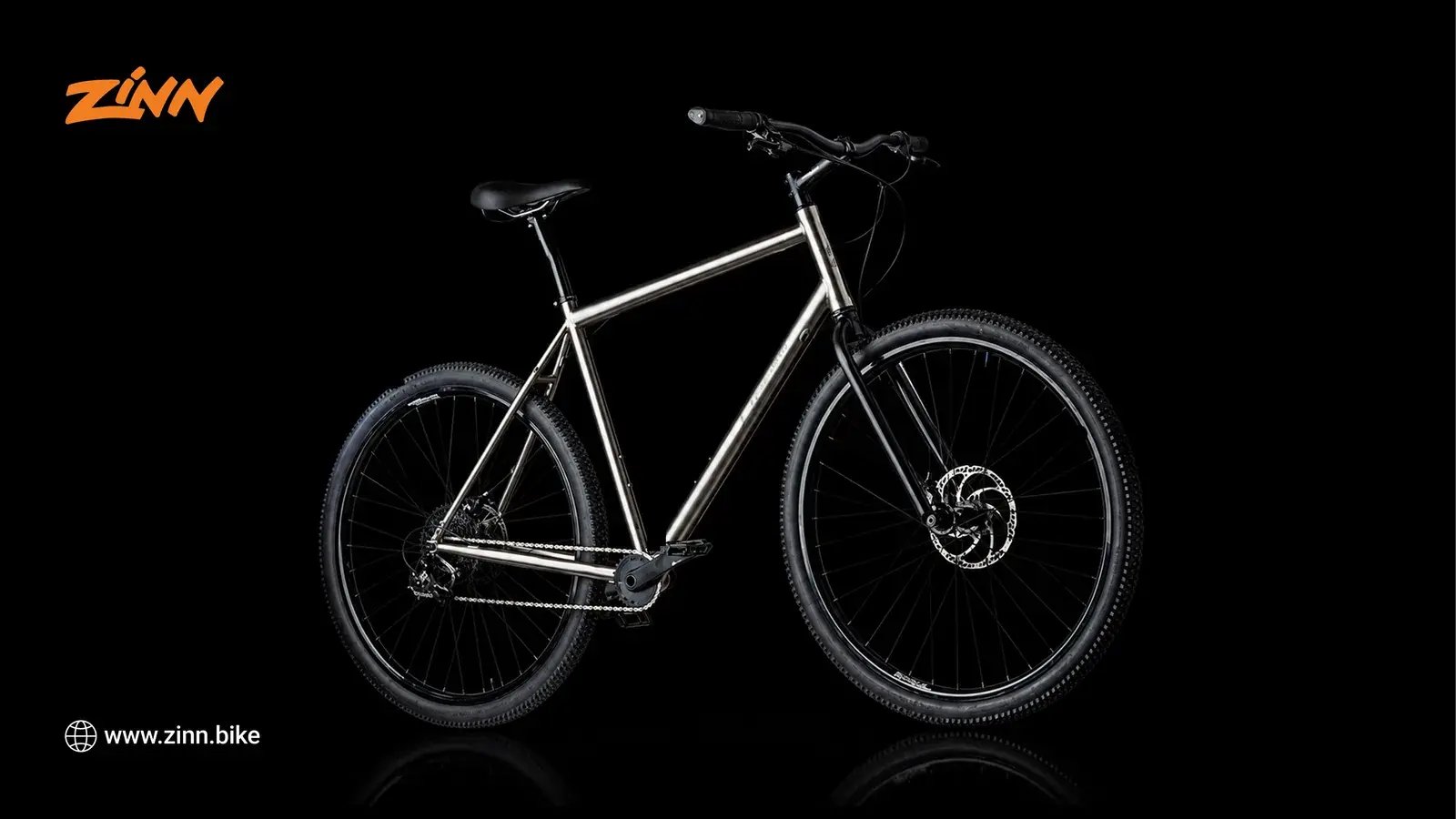
The Clydesdale BFG Pro Hybrid AXS combines premium components with a 32-inch wheel bicycle designed specifically for tall cyclists.
Its balanced geometry makes it a versatile option for:
The larger wheels help create a comfortable riding position while maintaining responsive handling.
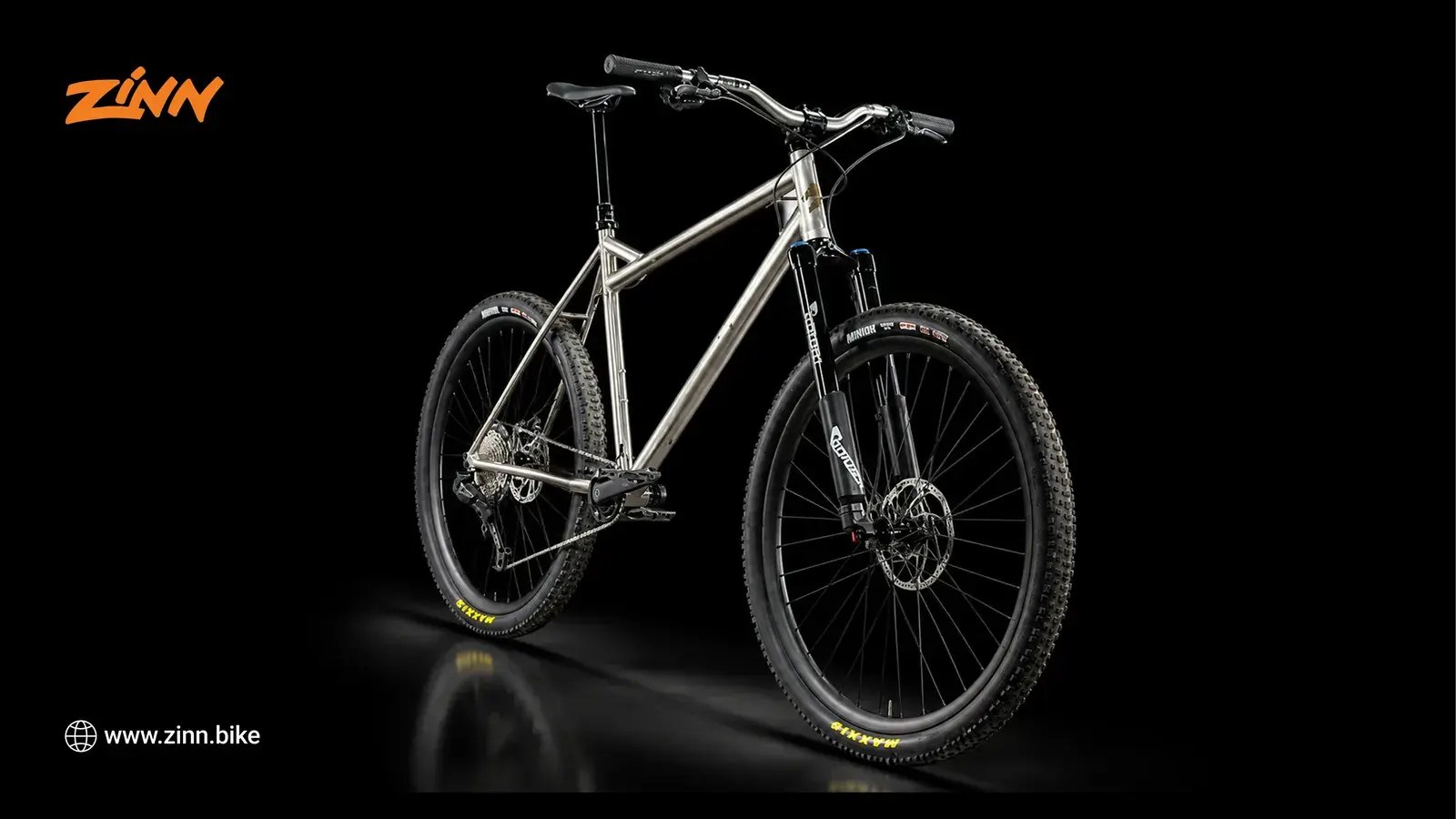
The Clydesdale Bronco M1 Deore is another titanium 32-inch mountain bike built for riders who want confidence on trails without compromising fit.
Designed for taller mountain bikers, it offers:
For riders who enjoy cross-country and trail riding, it delivers the benefits of a purpose-built 32-inch bike rather than adapting a standard mountain bike to fit.
Choosing between a 32-inch bike and a 36-inch bike comes down to more than wheel size. Your height, riding style, preferred terrain, and overall bike fit all play a role in determining which option is right for you.
A 32-inch bike is often a versatile choice for tall cyclists who ride a mix of roads, gravel, trails, or bike paths. It offers many of the benefits of larger wheels while maintaining responsive handling across a range of riding conditions.
A 36-inch bike is generally better suited to exceptionally tall riders who want maximum stability and a bike that feels properly proportioned to their height. The larger wheels roll smoothly over rough surfaces and create a balanced ride, particularly for fitness riding, commuting, and long-distance adventures.
Whichever wheel size you choose, it’s important to remember that frame geometry matters just as much as wheel size. Larger wheels alone won’t improve comfort if the bike isn’t built around them. The best results come from bikes where the frame, fork, wheelbase, and components are engineered as a complete system for taller riders.
At Zinn Custom Bikes, larger wheels are part of a bigger philosophy: bikes should be proportional to the rider in all aspects, not just the frame size.
For more than 40 years, Zinn has specialized in building bikes for cyclists who fall outside the sizing range served by most manufacturers. Instead of simply producing larger frames, Zinn designs bikes with proportional geometry that matches taller riders from the ground up.
That approach includes carefully matching:
By designing every part of the bike to work together, Zinn creates 32-inch bikes and 36-inch bikes that feel balanced, stable, and comfortable on every ride.

A 32-inch bike or 36-inch bike isn’t built to replace traditional wheel sizes. Instead, they’re purpose-built solutions for tall cyclists who have struggled to find bikes that truly fit.
If you’ve always felt cramped on standard bikes or found that even the largest stock frames don’t provide the comfort and handling you're looking for, a purpose-built big-wheel bike may be the answer.
Zinn's lineup includes options for a variety of riding styles, including:
Each model is engineered for taller cyclists, combining larger wheels with proportional geometry to deliver comfort, confidence, and performance.
A 32-inch bike is a bicycle built around 32-inch wheels and frame geometry designed for taller riders. Compared with standard wheel sizes, it offers improved proportions, stability, and comfort for cyclists who may feel cramped on conventional bikes.
A 36-inch bike is generally best suited to exceptionally tall riders who want maximum stability, smoother obstacle rollover, and a bike that's proportioned to their height. It's especially popular for hybrid, fitness, and recreational riding.
Not necessarily. While larger wheels maintain momentum well and roll smoothly over obstacles, overall speed depends on factors such as rider fitness, terrain, bike weight, tire choice, and frame geometry. Currently, rim and tire offerings in 36-inch are much heavier than those in 32” (as well as 29” and 27.5”) and thus affect speed.
The primary difference is wheel size. A 32er uses 32-inch wheels and typically offers a balance of agility and stability, while a 36er uses larger 36-inch wheels that prioritize smooth rolling and maximum stability for exceptionally tall riders.
Yes, but most average-height cyclists won't experience the same fit benefits. 32-inch bikes and 36-inch bikes are designed primarily for taller riders whose proportions are better matched by larger wheels and purpose-built frame geometry.

The right bike can transform your ride, but so can the right clothing. If your jersey rides up, your bib shorts chafe, ...
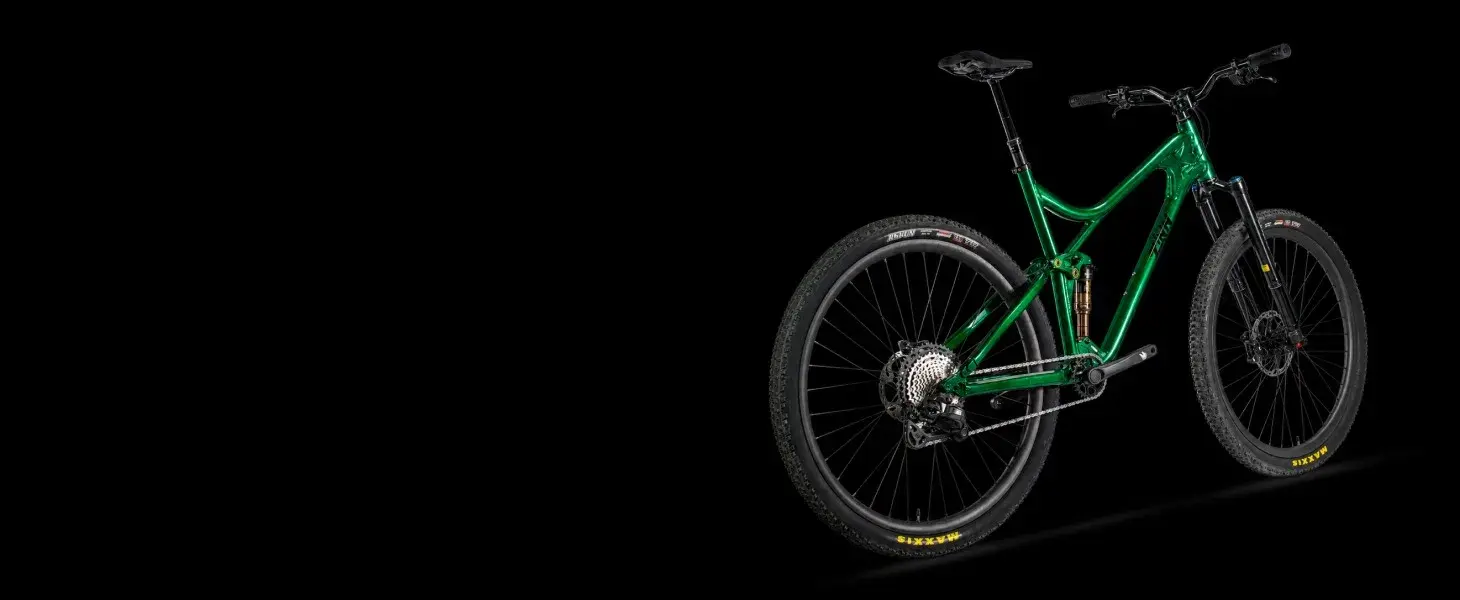
Finding an XXL mountain bike isn’t always as simple as choosing the largest frame on the showroom floor. Many mountain ...
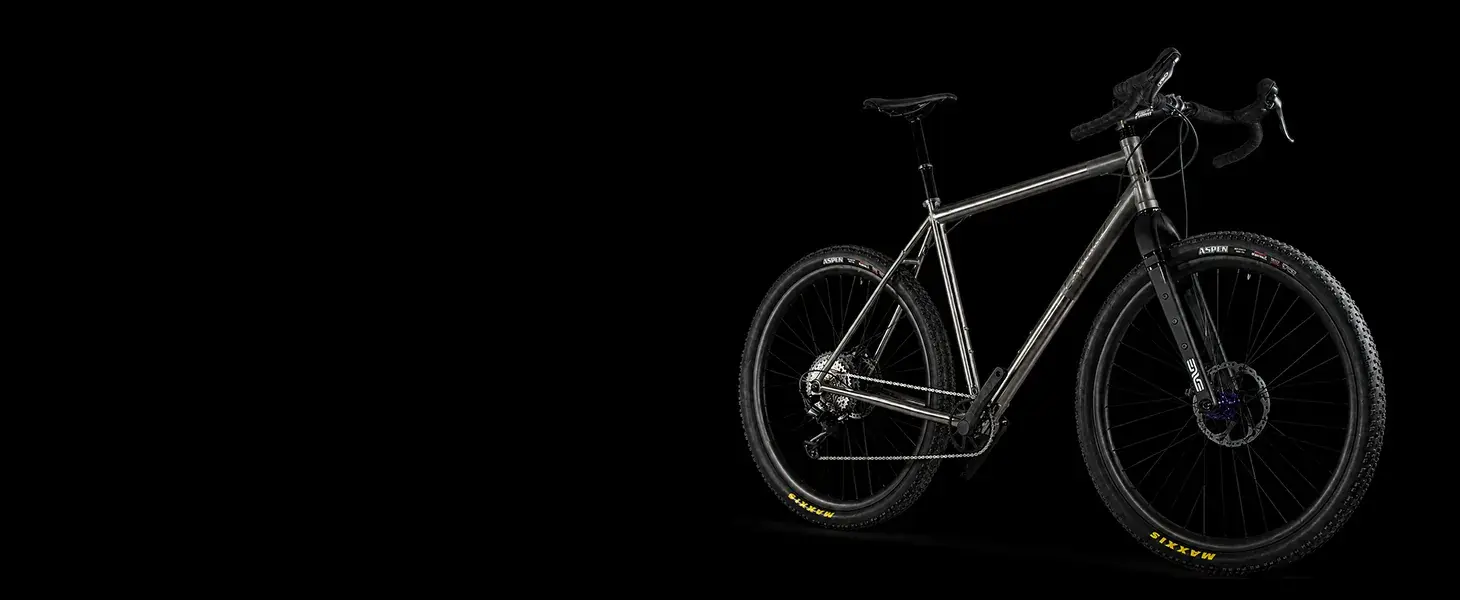
If you’ve ever felt like every bike you ride is slightly too small, you’re not imagining it. Most modern bicycles are ...