

Zinn vs. Pedego vs. Segway: Which ...
A step-through e-bike can make getting on and off the bike easier, but that doesn’t mean every step-through model will ...
|
Article Summary:
|
Cycling is one of the best low-impact ways to improve fitness, build endurance, and enjoy the outdoors. Yet many bigger riders hesitate to get started because of one common question: How much weight can a bike hold?
The answer isn’t always straightforward. Every bicycle has a recommended weight limit, but that number only tells part of the story.
A bike’s ability to support a heavier rider depends on several factors, including the strength of its wheels, the quality of its components, and whether the bike's geometry fits the rider properly.
That’s why choosing a bike for a heavier rider involves more than finding the highest weight rating on a spec sheet. A bike that works well for one rider may not hold up for another, even if they weigh the same.
This blog takes you through typical bicycle weight limits, what makes a heavy-duty bike different from a standard model, and the features that matter most if you’re looking for a bike that can provide years of comfortable riding.
Yes. Most bicycles come with a recommended weight limit from the manufacturer. This limit ensures the frame, wheels, and components can perform safely under normal riding conditions.
In general, most standard bicycles are rated for riders up to the 200-250 pound range, although the exact number varies by brand and bike type. Some bikes support heavier loads, while others prioritize low weight and performance, which can result in lower capacity ratings.
Another point that often causes confusion is that many manufacturers refer to total system weight, not just rider weight. This figure may include:
That means a rider who falls below the stated limit could still exceed the recommended capacity once a backpack or other items are added.
The table below offers a general idea of the weight capacities commonly associated with different types of bikes.
|
Bike Type |
Weight Capacity* |
|
Fitness & Hybrid Bikes |
225-275 lbs |
|
Road Bikes |
200-2500 lbs |
|
Gravel Bikes |
200-250 lbs |
|
Mountain Bikes |
200-250+ lbs |
|
E-Bikes |
250-400 lbs |
|
Big Wheel Bikes |
Varies by design |
|
Clydesdale Bikes |
up to 450lbs |
*Typical ranges only. Actual weight capacities vary by manufacturer and model.
These numbers should be used as a starting point rather than a guarantee. Two bikes with the same published weight limit may perform very differently depending on how they are built.
Many riders assume that a bike’s weight rating tells them everything they need to know. In reality, it is only one factor to consider.
A bicycle’s long-term durability depends on how all of its components work together. A bike may technically support a certain weight, but it might not provide the same comfort, stability, or reliability as a model built specifically for larger riders.
Several factors influence how well a bike holds up:
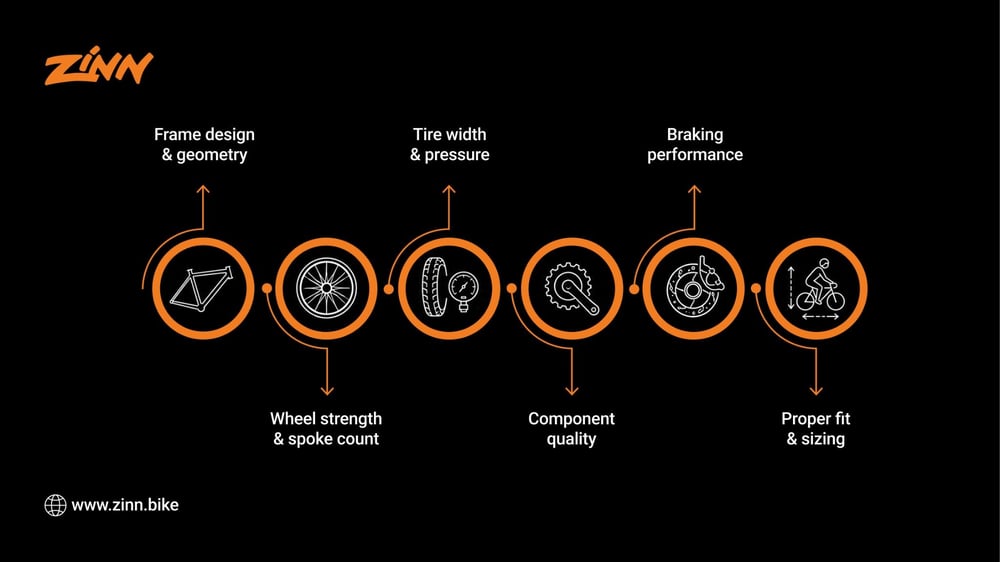
For example, two riders who weigh exactly the same may have completely different experiences on the same bike. One rider may enjoy years of trouble-free cycling, while another may deal with broken spokes, constant wheel adjustments, or discomfort caused by a poor fit.
This is why finding the right heavy-duty bike is about much more than a number on a specification sheet. The strongest bikes for heavier riders are manufactured to handle real-world stresses while providing the comfort and confidence needed to enjoy every ride.
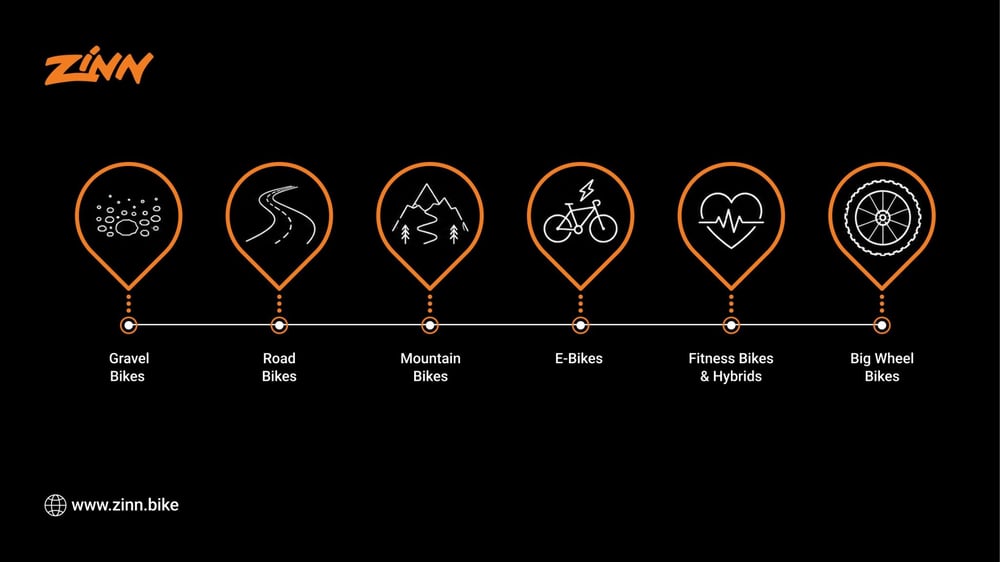
There isn’t one perfect bike for every rider. The best choice depends on where you ride, your fitness goals, and the features that matter most to you. Some riders prioritize comfort and stability, while others want speed or the ability to tackle rough terrain.
Here are some bike categories that can work well for larger riders.
Gravel Bikes combine the efficiency of a road bike with the comfort and versatility of a mountain bike. They typically accommodate wider tires, which can provide extra cushioning and stability for heavier riders.
Gravel bikes are a good choice if you:
Road Bikes are built for speed and efficiency on paved surfaces. While some lightweight performance models have lower weight limits, road bikes can still be an excellent option for bigger riders when they feature strong wheels, quality components, and proper sizing.
Road bikes are ideal if you:
Mountain Bikes are often a popular option for heavier riders because they can handle rough terrain and absorb impacts. Their wider tires and sturdy construction can provide additional confidence and comfort.
Mountain bikes are best for:
E-Bikes have become increasingly popular among riders of all sizes. Pedal assistance can make longer rides, hills, and headwinds feel more manageable, helping riders stay active and ride more often.
An e-bike may be a great fit if you:
Fitness Bikes and Hybrids are created for comfort and everyday riding. They offer a more upright riding position than road bikes, which many riders find comfortable and easy to adapt to.
These bikes are well-suited for:
Big Wheel Bikes feature larger wheels that provide a smoother ride and better proportions for exceptionally tall riders. For bigger cyclists who struggle to find a bike that fits properly, these bikes can offer a more natural riding position.
Big wheel bikes are ideal for:
The right bike for a heavier rider isn’t simply the one with the highest weight rating. The best choice is the one that matches your riding goals, fits your body properly, and offers the features that provide comfort and confidence on every ride.
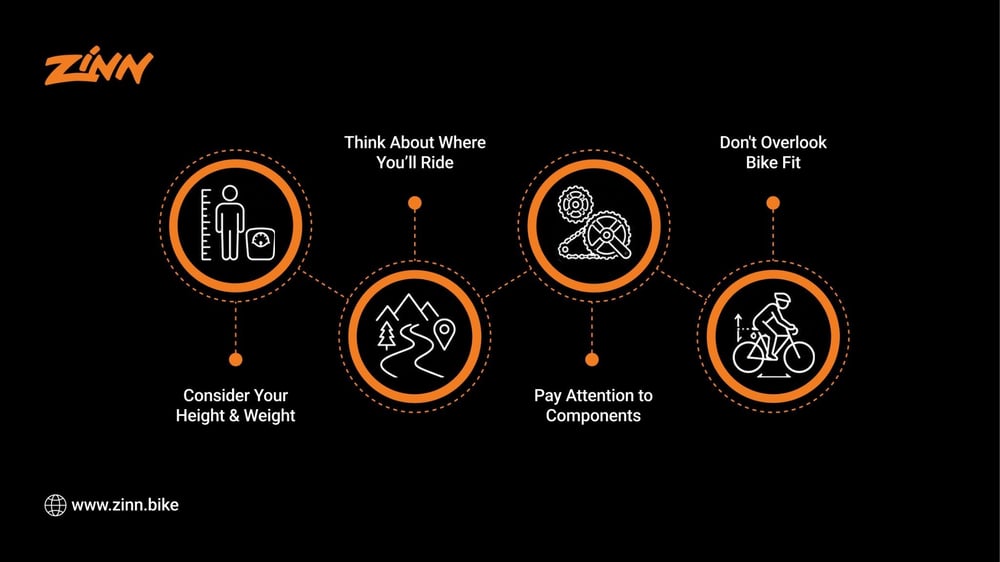
Finding the right bike for a heavier rider starts with understanding your own needs. Weight matters, but it’s only one part of the equation. Your height, riding style, and the terrain you plan to ride should also influence your decision.
A bike should support your weight while also fitting your proportions. Taller riders, in particular, may need larger frames, longer components, or different geometry than what’s available on standard bikes.
The type of riding you enjoy can help narrow your options.
A bike’s durability depends on more than the frame. Strong wheels, reliable brakes, quality components, and appropriate tires all play a role in how well a bike performs over time.
Even a bike with a high weight capacity may not feel comfortable if it doesn’t fit properly. The right fit improves handling, comfort, and confidence while helping distribute weight more evenly across the bike.
For many riders, an off-the-shelf bike works perfectly well. But some cyclists may benefit from a bike built around their specific size and needs.
A custom bike may be worth considering if you:
A purpose-built bike can offer more than a higher weight rating. It can provide stronger wheels, better geometry, and a riding position tailored to the individual rider.
Zinn Cycles designs custom bikes for cyclists who need a better fit, greater durability, and performance built around their bodies.
A heavy-duty bike should combine strong wheels, quality components, proper geometry, and a comfortable fit, not just a high weight rating. The bikes that hold up best for heavier riders combine several important elements:
When these pieces come together, the result is a bike that feels stable, durable, and enjoyable to ride.
If you’ve struggled to find a bike that fits your size or holds up to the demands of regular riding, exploring purpose-built options may make all the difference.
Browse the Clydesdale collection from Zinn to learn how bikes created specifically for bigger riders can deliver greater comfort, confidence, and long-term durability.
Do you want to know how we can customize your bike?
Most standard bicycles have a recommended weight limit of approximately 200 to 2500 pounds, although capacities vary by bike type and manufacturer.
Yes. Many bikes support riders over 300 pounds. The key is choosing a bike with appropriate components, strong wheels, and a design that matches the rider's needs. Zinn Cycles' subsidiary brand, Clydesdale Bicycles makes titanium bikes with max rider weight of 450lbs.
There isn't one answer for everyone. Gravel bikes, mountain bikes, hybrids, and custom-built bikes can all be good options depending on your goals and where you ride.
Yes. Wheels experience significant loads during riding, so stronger rims, quality hubs, and appropriate spoke counts can improve durability and performance.
Yes. E-bikes can make cycling more accessible by providing pedal assistance, helping riders tackle hills and enjoy longer rides with less fatigue. E-bikes are also a great tool for weight loss since you have more control over your workout. You can use the electric assist modes to keep your heart rate under control so you can ride longer and get more exercise.
A custom bike may be worthwhile if you struggle to find a comfortable fit, exceed typical weight limits, or want a bike customized around your specific size and riding goals.
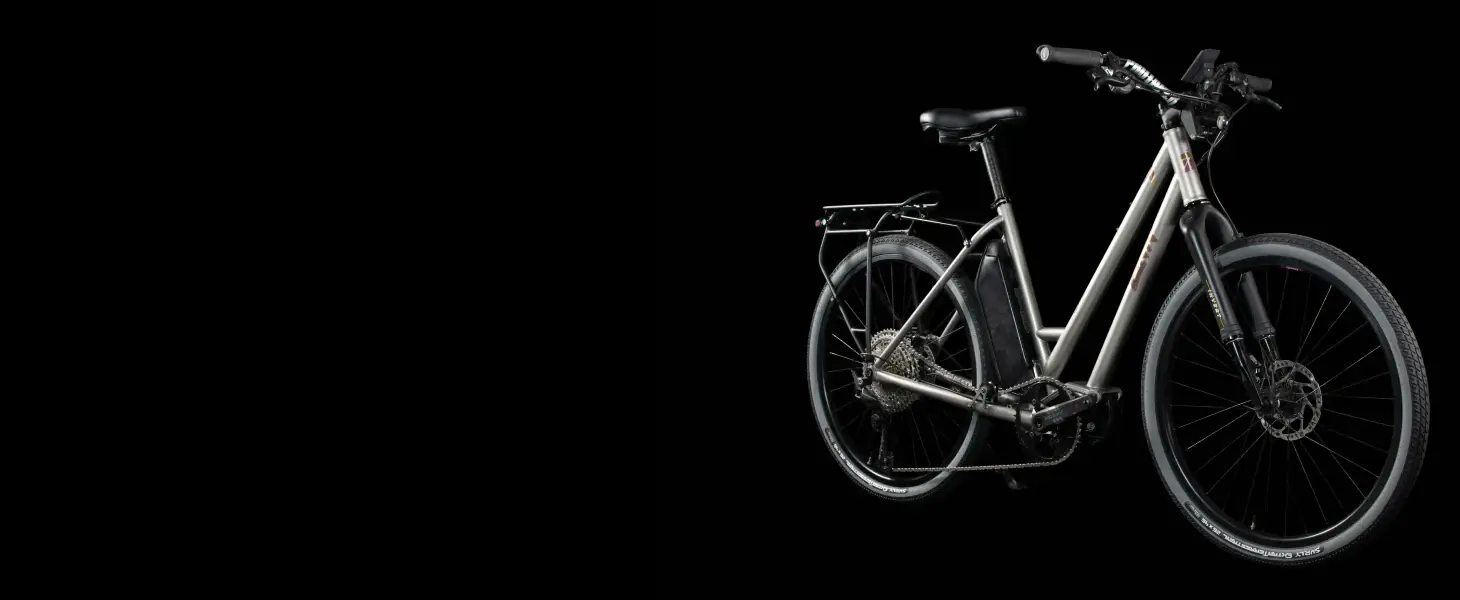
A step-through e-bike can make getting on and off the bike easier, but that doesn’t mean every step-through model will ...

If you’re a tall rider, you’ve probably sized up everything on your bike except one part: the cranks. You went with a ...
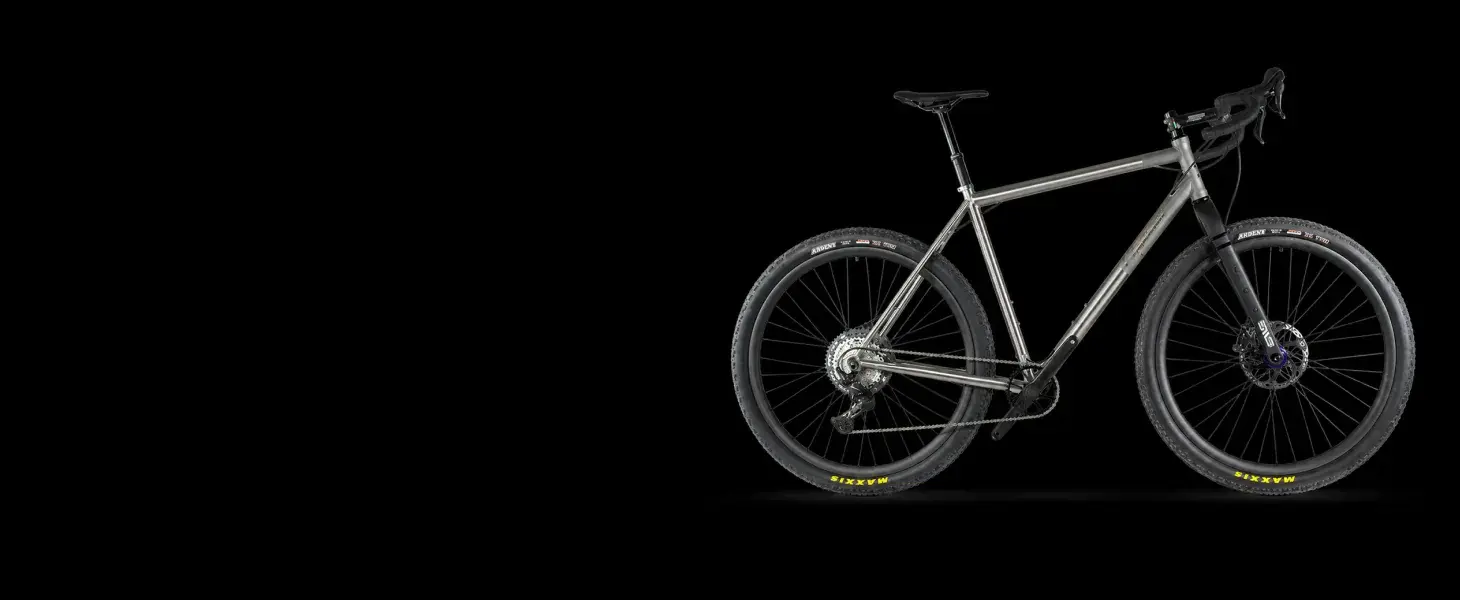
Finding the right bike size isn’t as simple as matching your height to an XS, L, or XL. Height is a useful starting ...